Call us now:+8613419706690
Paper Mill Press Roll Selection Guide
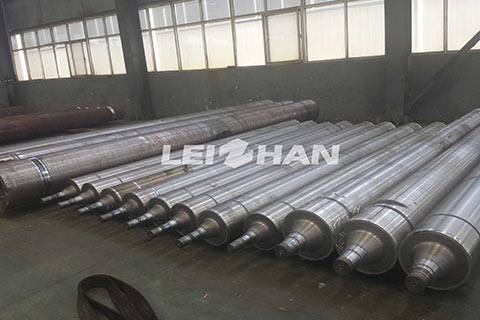
Press rolls operate in environments characterized by high humidity, high pressure, and the presence of impurities; therefore, the material of the roll shell is the primary determinant of its corrosion resistance and service life. When purchasing, it is essential to specify the material, wall thickness, and machining precision of the roll shell, and to require the supplier to provide material certification as well as a test report on the surface roughness of the press roll. If press roll fails to meet dynamic balancing standards while rotating at high speeds, it will generate vibrations, leading to issues such as web instability, paper breaks, defects in the paper, and premature bearing failure. Consequently, the required dynamic balancing grade must be clearly defined during the procurement process.
The surface treatment of press roll directly influences both dewatering efficiency and the service life of the roll surface. Common types include grooved rolls, blind-drilled rolls, and rubber-covered rolls. When selecting press roll, the appropriate surface configuration should be chosen based on factors such as the paper grade, machine speed, and the specific type of press part. Furthermore, it is essential to require the supplier to specify the manufacturer of the rubber covering, the shelf life of the rubber surface, and the terms of the quality warranty.
Leizhan has been deeply engaged in the pulp and paper machinery sector for over 30 years, offering a wide range of equipment for paper mills to clients worldwide. Please feel free to email me your requirements to receive a customized solution and a price quote. Email: leizhanpapermachine@gmail.com