Call us now:+8613419706690
How to Reduce Operating Costs for Waste Paper Pulping Line
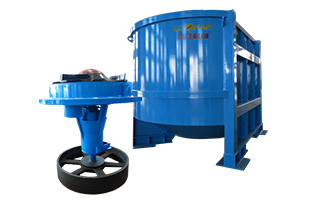
The cost pressures associated with waste-paper pulping lines stem primarily from the pulping stage. Conventional hydrapulpers rely on high-speed rotating impellers and blades to disintegrate the material; however, pulp consistency is typically limited to a low range of 3% to 6%, necessitating the introduction of large volumes of dilution water. During this low-consistency pulping process, significant quantities of fine fibers are carried into the downstream wastewater treatment system along with the effluent—thereby increasing the treatment load and resulting in the wasteful loss of fibers that could otherwise have been converted into paper.
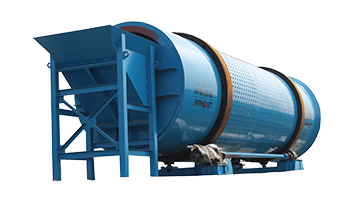
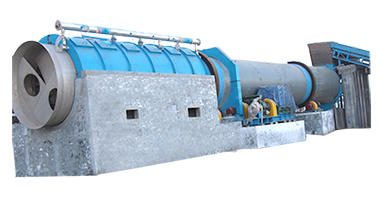
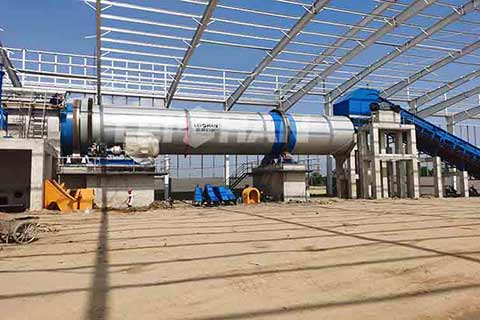
The Leizhan drum pulper elevates the pulping consistency from the low-consistency range to a high-consistency range of 18%–25%, while achieving fiber defibering through a completely different mechanical process. This drum pulper enables continuous, gentle pulping at high consistency without damaging the fibers. Furthermore, it can replace an entire low-consistency pulping system, requiring less equipment and reducing operating costs.
This drum pulper integrates high-consistency pulping and coarse screening, thereby reducing the load and wear on downstream screening equipment and lowering maintenance costs. With minimal wear parts and low maintenance expenses, the drum pulper supports long-term continuous operation, minimizing production losses caused by unplanned downtime.
If you are evaluating cost-reduction strategies for a waste paper pulping line or planning a new production line, please contact me to receive equipment selection recommendations tailored to your specific raw material conditions and production capacity requirements. Email: leizhanpapermachine@gmail.com